

A
Art Mann
Guest
The loneliness of socializing with cellphone addicts
By EMMA G. FITZSIMMONS
Apple introduced a cheaper version of its new smartphone last month because the devices are still out of reach for millions of people. Millions of others, it seems, just wish they were.
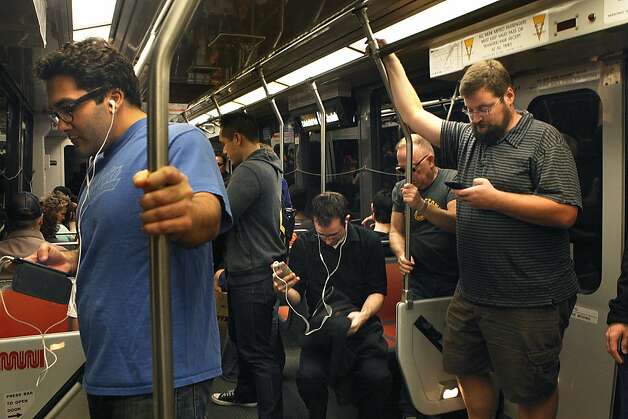
With smartphones consuming more of our time and creeping into every corner of our lives, some argue that the addiction has gone too far. They are asking friends, family and even themselves to put away their phones and focus on the people right in front of them, instead of the flood of information arriving via e-mail, Facebook, Twitter and Instagram.
The strategies are simple, but varied. A magazine editor in New York told The Times that she leaves her phone in a vintage milk tin from the time she gets home until after dinner. The designer Marc Jacobs bans digital devices from his bedroom.
These rules, meant to establish “device-free zones,” often need consequences for violators. One New Jersey couple has a standing punishment: whoever picks up a phone in the evening without “a really good reason” has to put their young son to bed.
Meanwhile, a restaurant competition called the “phone-stack game” is gaining in popularity. Everyone stacks their phones in the middle of the table, and the first person to check their handset must buy dinner for all.
“The expectation that we must always be available to employers, colleagues, family: it creates a real obstacle in trying to set aside private time,” the writer Lesley M. M. Blume told The Times. “But that private time is more important than ever.”
That sentiment was captured this summer in a YouTube video that has been viewed more than 24 million times. It trails a young woman, played by the actress Charlene deGuzman, who is constantly ignored because the people around her are consumed by their phones. At a bowling alley, she knocks down several pins and turns to high-five her friends, but they never look up from their screens.
The Times’s Nick Bilton wrote that the video “makes for some discomfiting viewing.” It suggests, he wrote, “that maybe life is just better led when it is lived rather than viewed.” Mr. Bilton compared current soul-searching over smartphone use to late-1950s rebellion over watching TV at the dinner table.
The issue now even requires the attention of wedding planners. Bruce Feiler wrote in The Times about brides and grooms who do not want guests to bring phones or to post photos from them online. There are many reasons: Celebrities want to ensure privacy. Some couples want to avoid hurting those who were not invited. Others want to make sure that only flattering photos are distributed.
These events have a name: “unplugged weddings.”
One luxury event planner in Boston, who has worked for Chelsea Clinton and Matt Damon, created what he calls a cellphone coat check. Guests drop off their phones before the ceremony and can return to an area with sofas later in the evening to check them.
Mr. Feiler attended a wedding where the couple made it clear in advance that phones were not invited. The groom told him: “A wedding is about having people paying witness. How can they do that if they don’t even hear your vows because they’re too busy taking pictures?”
By EMMA G. FITZSIMMONS
Apple introduced a cheaper version of its new smartphone last month because the devices are still out of reach for millions of people. Millions of others, it seems, just wish they were.
With smartphones consuming more of our time and creeping into every corner of our lives, some argue that the addiction has gone too far. They are asking friends, family and even themselves to put away their phones and focus on the people right in front of them, instead of the flood of information arriving via e-mail, Facebook, Twitter and Instagram.
The strategies are simple, but varied. A magazine editor in New York told The Times that she leaves her phone in a vintage milk tin from the time she gets home until after dinner. The designer Marc Jacobs bans digital devices from his bedroom.
These rules, meant to establish “device-free zones,” often need consequences for violators. One New Jersey couple has a standing punishment: whoever picks up a phone in the evening without “a really good reason” has to put their young son to bed.
Meanwhile, a restaurant competition called the “phone-stack game” is gaining in popularity. Everyone stacks their phones in the middle of the table, and the first person to check their handset must buy dinner for all.
“The expectation that we must always be available to employers, colleagues, family: it creates a real obstacle in trying to set aside private time,” the writer Lesley M. M. Blume told The Times. “But that private time is more important than ever.”
That sentiment was captured this summer in a YouTube video that has been viewed more than 24 million times. It trails a young woman, played by the actress Charlene deGuzman, who is constantly ignored because the people around her are consumed by their phones. At a bowling alley, she knocks down several pins and turns to high-five her friends, but they never look up from their screens.
The Times’s Nick Bilton wrote that the video “makes for some discomfiting viewing.” It suggests, he wrote, “that maybe life is just better led when it is lived rather than viewed.” Mr. Bilton compared current soul-searching over smartphone use to late-1950s rebellion over watching TV at the dinner table.
The issue now even requires the attention of wedding planners. Bruce Feiler wrote in The Times about brides and grooms who do not want guests to bring phones or to post photos from them online. There are many reasons: Celebrities want to ensure privacy. Some couples want to avoid hurting those who were not invited. Others want to make sure that only flattering photos are distributed.
These events have a name: “unplugged weddings.”
One luxury event planner in Boston, who has worked for Chelsea Clinton and Matt Damon, created what he calls a cellphone coat check. Guests drop off their phones before the ceremony and can return to an area with sofas later in the evening to check them.
Mr. Feiler attended a wedding where the couple made it clear in advance that phones were not invited. The groom told him: “A wedding is about having people paying witness. How can they do that if they don’t even hear your vows because they’re too busy taking pictures?”