Made with Love

Navigation
Install the app
How to install the app on iOS
Follow along with the video below to see how to install our site as a web app on your home screen.
Note: This feature may not be available in some browsers.
More options


You are using an out of date browser. It may not display this or other websites correctly.
You should upgrade or use an alternative browser.
You should upgrade or use an alternative browser.
Revenge porn culprits and owner facing jail time.
- Thread starter O J
- Start date
BEER said:Threw my video camera down the chute.
LMAO.

papasmerf
Senior Member
- Joined
- Aug 9, 2010
- Messages
- 33,614
BEER said:Threw my video camera down the chute.
Not sure a video showing you popping the tops off a case of Molson's qualifies as porn
P
Prick
Guest
papasmerf said:Not sure a video showing you popping the tops off a case of Molson's qualifies as porn
After a six pack it could.
D
DannyDeVito
Guest
No more fisting :blush2:
R
Robintheboywonder
Guest
- North America is slowly becoming the anti sex country and it's terrible. The Reform Party will introduce strict porn rules if they are given another mandate. They need to be eliminated like a used tampon.
[h=1]UK bans spanking and female ejaculation in porn[/h]
https://www.salon.com/2014/12/02/uk_bans_spanking_and_female_ejaculation_in_porn/

https://www.salon.com/2014/12/02/uk_bans_spanking_and_female_ejaculation_in_porn/
Kevin Bollaert, 'revenge porn' website operator, convicted of theft, extortion
Kevin Bollaert, 'revenge porn' website operator, convicted of theft, extortion
A San Diego man has been convicted of running a "revenge porn" website where people posted nude pictures of their ex-lovers, who then had to pay the man to take down the images.
Kevin Bollaert, 28, was found guilty Monday of 27 counts, including identity theft and extortion, and faces up to 20 years in prison. The San Diego County Superior Court jury was unable to reach verdicts on two charges of identity theft and conspiracy, and a judge declared a mistrial on the counts.
ADVERTISEMENT
Attorney General Kamala Harris told reporters in Los Angeles on Tuesday that the jury sent a message that criminals attempting to exploit victims from behind a computer screen "will not be shielded from the law or jail."
The victims came from diverse backgrounds, teachers, wives, professionals. The photographs, once discovered by others, led to lost jobs and damaged relationships. In one case, a victim attempted suicide, she said.
Bollaert subjected his victims to "shame, and embarrassment, in the context of their family, their community and their workplace," Harris said.
She added that her office was examining possible revisions in state law to keep pace with how criminals are using technology. Those areas include applications for search warrants, which can be needed to seize online posts in such cases.
It was believed to be the first conviction of an operator of a revenge-porn website, although two months ago a Los Angeles man who posted a topless photo of his ex-girlfriend on Facebook was sentenced to a year in jail for violating California's new revenge-porn law.
That law was enacted in October 2013, after the incidents for which Bollaert was charged. It makes it a misdemeanor to post identifiable nude pictures of someone else online without their permission and with the intent of causing serious emotional distress or humiliation.
The attorney general's office believes Bollaert's actions were more serious and merited more than the one year in prison permitted for a misdemeanor, spokesman David Beltran said in an email Tuesday. Moreover, the revenge-porn law does not address the allegations that Bollaert extorted money, he said.
The term "revenge porn" is used because most of the explicit images have been posted online by former lovers in attempts to shame their former partners after a breakup.
Between Dec. 2, 2012, and Sept. 17, 2013, Bollaert allowed people to anonymously post more than 10,000 images, mainly of women, on his now-defunct ugotposted.com website without the knowledge of those in the pictures, prosecutors said. The victims' names, cities where they lived and other information such as links to their Facebook profiles also were posted.
Bollaert also ran another now-defunct website, changemyreputation.com, where victims could go and be charged up to $350 to have the images removed.
He earned tens of thousands of dollars from the scheme, prosecutors said.
More than two dozen people were named as victims in the criminal complaint. Some testified at trial that they suffered humiliation and fear when their private photos were posted, and prosecutor Tawnya Austin told jurors that they also were harassed by people who tried to contact them through Facebook or by email.
One woman testified that it ruined her reputation and her relationship with her family.
At trial, prosecutors argued that Bollaert knew the images on his website were private and posted without consent of the victims, describing the business as essentially a blackmail scheme.
Bollaert's lawyer, Emily Rose-Weber, said her client may have conducted an immoral business that took advantage of "human weakness," but he didn't break the law by allowing others to post the explicit photos.
"It's gross, it's offensive, but it's not illegal," she said.
Kevin Bollaert, 'revenge porn' website operator, convicted of theft, extortion
A San Diego man has been convicted of running a "revenge porn" website where people posted nude pictures of their ex-lovers, who then had to pay the man to take down the images.
Kevin Bollaert, 28, was found guilty Monday of 27 counts, including identity theft and extortion, and faces up to 20 years in prison. The San Diego County Superior Court jury was unable to reach verdicts on two charges of identity theft and conspiracy, and a judge declared a mistrial on the counts.
ADVERTISEMENT
Attorney General Kamala Harris told reporters in Los Angeles on Tuesday that the jury sent a message that criminals attempting to exploit victims from behind a computer screen "will not be shielded from the law or jail."
The victims came from diverse backgrounds, teachers, wives, professionals. The photographs, once discovered by others, led to lost jobs and damaged relationships. In one case, a victim attempted suicide, she said.
Bollaert subjected his victims to "shame, and embarrassment, in the context of their family, their community and their workplace," Harris said.
She added that her office was examining possible revisions in state law to keep pace with how criminals are using technology. Those areas include applications for search warrants, which can be needed to seize online posts in such cases.
It was believed to be the first conviction of an operator of a revenge-porn website, although two months ago a Los Angeles man who posted a topless photo of his ex-girlfriend on Facebook was sentenced to a year in jail for violating California's new revenge-porn law.
That law was enacted in October 2013, after the incidents for which Bollaert was charged. It makes it a misdemeanor to post identifiable nude pictures of someone else online without their permission and with the intent of causing serious emotional distress or humiliation.
The attorney general's office believes Bollaert's actions were more serious and merited more than the one year in prison permitted for a misdemeanor, spokesman David Beltran said in an email Tuesday. Moreover, the revenge-porn law does not address the allegations that Bollaert extorted money, he said.
The term "revenge porn" is used because most of the explicit images have been posted online by former lovers in attempts to shame their former partners after a breakup.
Between Dec. 2, 2012, and Sept. 17, 2013, Bollaert allowed people to anonymously post more than 10,000 images, mainly of women, on his now-defunct ugotposted.com website without the knowledge of those in the pictures, prosecutors said. The victims' names, cities where they lived and other information such as links to their Facebook profiles also were posted.
Bollaert also ran another now-defunct website, changemyreputation.com, where victims could go and be charged up to $350 to have the images removed.
He earned tens of thousands of dollars from the scheme, prosecutors said.
More than two dozen people were named as victims in the criminal complaint. Some testified at trial that they suffered humiliation and fear when their private photos were posted, and prosecutor Tawnya Austin told jurors that they also were harassed by people who tried to contact them through Facebook or by email.
One woman testified that it ruined her reputation and her relationship with her family.
At trial, prosecutors argued that Bollaert knew the images on his website were private and posted without consent of the victims, describing the business as essentially a blackmail scheme.
Bollaert's lawyer, Emily Rose-Weber, said her client may have conducted an immoral business that took advantage of "human weakness," but he didn't break the law by allowing others to post the explicit photos.
"It's gross, it's offensive, but it's not illegal," she said.

Cardinal Fang
Reviewer
- Joined
- May 9, 2012
- Messages
- 5,717
Agreed.
W
Wanker
Guest
Second.
You believe the arrogance of this man?.
Revenge porn boss wants Google to remove his identity related info
Craig Brittain wants links to stories of FTC dinging his site wiped from search.
What do you do if you're a revenge porn site operator andtheFederal Trade Commission has barred you from publishing nude images of people without their consent?You demand that Google remove from its search engine links to news accounts about the FTC's action and other related stories, citing "unauthorized use of photos of me and other related information."
Craig Brittain -the former operator of revenge porn site IsAnybodyDown.com - is invoking the Digital Millennium Copyright Act (DMCA) in a bid to remove 23 links in all - an irony-filled DMCA takedown request that Google is ignoring. One of the links renders the FTC's press release in January about its enforcement against Brittain. Another is a link to Ars' story about the FTC's move: "Sleazy 'revenge porn' site is banished to settle federal charges."
In addition to claims that the links contain "unauthorized" information about him, Brittain asserts"unauthorized use of statements and identity related information. Unauthorized copying of excerpts from isanybodydown.com. Using photos which are not 'fair use.'"
TheDMCA requires Internet companies like Google to remove links to infringing content at a rights holder's request or face legal liability. In this instance, fair use and general First Amendment principles are on Google's and the media's side.
Brittain's takedown requests likely wouldn't even qualify for removal in Europe under the "right to be forgotten" rulingfrom the European High court in May. The decisionrequires search engines to take down "inadequate, irrelevant, or no longer relevant materials from search results upon request by EU citizens.
The FTC complaint against Brittain alleged that "he used deception to acquire and post intimate images of women, then referred them to another website he controlled, where they were told they could have the pictures removed if they paid hundreds of dollars."
Brittain did not immediately respond to a request for comment.
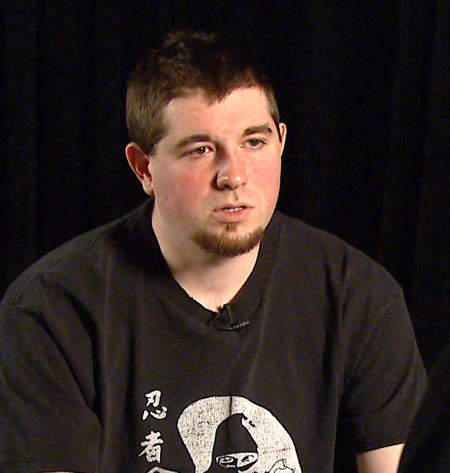
IRONY AT IT'S FINEST? YBTJ
Revenge porn boss wants Google to remove his identity related info
Craig Brittain wants links to stories of FTC dinging his site wiped from search.
What do you do if you're a revenge porn site operator andtheFederal Trade Commission has barred you from publishing nude images of people without their consent?You demand that Google remove from its search engine links to news accounts about the FTC's action and other related stories, citing "unauthorized use of photos of me and other related information."
Craig Brittain -the former operator of revenge porn site IsAnybodyDown.com - is invoking the Digital Millennium Copyright Act (DMCA) in a bid to remove 23 links in all - an irony-filled DMCA takedown request that Google is ignoring. One of the links renders the FTC's press release in January about its enforcement against Brittain. Another is a link to Ars' story about the FTC's move: "Sleazy 'revenge porn' site is banished to settle federal charges."
In addition to claims that the links contain "unauthorized" information about him, Brittain asserts"unauthorized use of statements and identity related information. Unauthorized copying of excerpts from isanybodydown.com. Using photos which are not 'fair use.'"
TheDMCA requires Internet companies like Google to remove links to infringing content at a rights holder's request or face legal liability. In this instance, fair use and general First Amendment principles are on Google's and the media's side.
Brittain's takedown requests likely wouldn't even qualify for removal in Europe under the "right to be forgotten" rulingfrom the European High court in May. The decisionrequires search engines to take down "inadequate, irrelevant, or no longer relevant materials from search results upon request by EU citizens.
The FTC complaint against Brittain alleged that "he used deception to acquire and post intimate images of women, then referred them to another website he controlled, where they were told they could have the pictures removed if they paid hundreds of dollars."
Brittain did not immediately respond to a request for comment.
IRONY AT IT'S FINEST? YBTJ
U
User-E
Guest
Falconero said:Revenge porn site owner sentenced to 18 years in prison
Thanks for posting, Falconero. :good:
A website owner who encouraged users to post sexually explicit images of other people without their permission has been sentenced to 18 years in prison.
Kevin Bollaert, 28, allowed 10,170 photos (mostly of women) to be posted to his now-defunct revenge porn website, UGotPosted.com. He had users include identifying information with the photos, such as names, addresses and links to Facebook profiles. He then emailed the victims, telling them their photos could be removed for up to $350 through his second site, ChangeMyReputation.com. At his trial in February in California Superior Court in San Diego, 21 victims testified to the damage Bollaert’s site had caused. He was then charged with 21 counts of identity theft and six counts of extortion.
“Sitting behind a computer, committing what is essentially a cowardly and criminal act, will not shield predators from the law or jail,” California Attorney General Kamala Harris said in a statement.
Since Bollaert’s site was shut down in December 2013, the fight against revenge porn has made significant strides, legally and socially. To start, it’s not as easy to get private photos off the Internet as you might expect. Website owners are not legally responsible for content posted on their sites by users because of a law called the Communications Decency Act.
But that’s changing.
Bollaert was operating from California, one of 17 states that now has a law aimed at punishing so-called revenge porn — when a former romantic interest publicly posts privately shared images as an act of vengeance — as well as explicit images obtained in other ways from being posted without a subject’s consent.
Bollaert was arrested two months after the law went into effect, although he was eventually charged with identity theft and extortion. California’s law, like other anti-revenge porn laws working their way through state legislatures, makes it a criminal act to distribute sexually explicit images without permission to cause emotional distress, even if the subject of the picture agreed to be photographed.
A similar fate met Hunter Moore, who was arrested by the FBI this year for his infamous site IsAnyoneUp.com. He pleaded guilty and faces up to seven years in prison and fines of half a million dollars.
... “This serves as a deterrent to other people thinking of operating revenge porn websites,” Laws said. “It sends the message that there are consequences when you exploit victims and engage in illegal activity of this sort.”
On the federal level, the battle against revenge porn has found a place in the world of copyright and business practices. First, if the explicit photo was taken by its subject — a “selfie” — the photographer owns the rights to that photo, and its existence on the Internet without permission is a violation of copyright.
... Revenge porn websites are technically businesses, which means they fall under the jurisdiction of the Federal Trade Commission. The FTC can then punish them for “unfair business practices.” In January, authorities used this tactic to take down another revenge porn kingpin, Craig Brittain.
Meanwhile, websites that exist for other purposes are taking a stand against nude or sexually explicit photos posted without the subject’s consent, although they are not legally required to do so. Twitter and Reddit now have policies to ban and remove such photos. Facebook has also clarified its “community standards” (which already banned most nudity), saying it will remove “images shared in revenge or without permissions from the people in the images.”
escapefromstress said:Thanks for posting, Falconero. :good:
A website owner who encouraged users to post sexually explicit images of other people without their permission has been sentenced to 18 years in prison.
Kevin Bollaert, 28, allowed 10,170 photos (mostly of women) to be posted to his now-defunct revenge porn website, UGotPosted.com. He had users include identifying information with the photos, such as names, addresses and links to Facebook profiles. He then emailed the victims, telling them their photos could be removed for up to $350 through his second site, ChangeMyReputation.com. At his trial in February in California Superior Court in San Diego, 21 victims testified to the damage Bollaert’s site had caused. He was then charged with 21 counts of identity theft and six counts of extortion.
“Sitting behind a computer, committing what is essentially a cowardly and criminal act, will not shield predators from the law or jail,” California Attorney General Kamala Harris said in a statement.
Since Bollaert’s site was shut down in December 2013, the fight against revenge porn has made significant strides, legally and socially. To start, it’s not as easy to get private photos off the Internet as you might expect. Website owners are not legally responsible for content posted on their sites by users because of a law called the Communications Decency Act.
But that’s changing.
Bollaert was operating from California, one of 17 states that now has a law aimed at punishing so-called revenge porn — when a former romantic interest publicly posts privately shared images as an act of vengeance — as well as explicit images obtained in other ways from being posted without a subject’s consent.
Bollaert was arrested two months after the law went into effect, although he was eventually charged with identity theft and extortion. California’s law, like other anti-revenge porn laws working their way through state legislatures, makes it a criminal act to distribute sexually explicit images without permission to cause emotional distress, even if the subject of the picture agreed to be photographed.
A similar fate met Hunter Moore, who was arrested by the FBI this year for his infamous site IsAnyoneUp.com. He pleaded guilty and faces up to seven years in prison and fines of half a million dollars.
... “This serves as a deterrent to other people thinking of operating revenge porn websites,” Laws said. “It sends the message that there are consequences when you exploit victims and engage in illegal activity of this sort.”
On the federal level, the battle against revenge porn has found a place in the world of copyright and business practices. First, if the explicit photo was taken by its subject — a “selfie” — the photographer owns the rights to that photo, and its existence on the Internet without permission is a violation of copyright.
... Revenge porn websites are technically businesses, which means they fall under the jurisdiction of the Federal Trade Commission. The FTC can then punish them for “unfair business practices.” In January, authorities used this tactic to take down another revenge porn kingpin, Craig Brittain.
Meanwhile, websites that exist for other purposes are taking a stand against nude or sexually explicit photos posted without the subject’s consent, although they are not legally required to do so. Twitter and Reddit now have policies to ban and remove such photos. Facebook has also clarified its “community standards” (which already banned most nudity), saying it will remove “images shared in revenge or without permissions from the people in the images.”
:YMAPPLAUSE:
W
Wanker
Guest
[h=1]Revenge porn hacker: 'Scary how quickly I would drop my morals'[/h][h=2]When he was 23, Charlie Evens was hired by Hunter Moore, a man who's been dubbed the "king of revenge porn," to hack into women's email accounts.[/h]He was able to steal nude photos and sold them Moore, who posted them on his website, IsAnybodyUp.com. The site has since been taken down. Both Moore and Evens face criminal charges; Evens is set to appear in court May 26.
In an exclusive interview, Evens told CNNMoney about his experience....https://money.cnn.com/2015/04/26/technology/charlie-evens-revenge-porn-hacker/index.html
In an exclusive interview, Evens told CNNMoney about his experience....https://money.cnn.com/2015/04/26/technology/charlie-evens-revenge-porn-hacker/index.html
U
User-E
Guest
On a similar issue:
Victoria sexting teen given conditional discharge
Teenager was found guilty of possessing and distributing child pornography
A B.C. teenager who was found guilty on child pornography charges after "sexting" naked images of her boyfriend's former girlfriend has been handed a six-month conditional discharge.
The 18-year-old — who cannot be named as all those involved were 16 at the time of the offence — must send a letter of apology to the the victim. If she does that, she will have no criminal record and will not face prison.
The teen was convicted in January 2014 of possessing and distributing child pornography and uttering threats.
"I'm sorry for my part in this," the girl said in court Monday. "If I could take it back, I would. "This is not who I am."
The court found that she had texted nude pictures of her boyfriend's ex-girlfriend to a friend and posted one to the victim's Facebook page in an attempt to humiliate the girl.
In an emotional interview with CBC's The Current in February of this year, the convicted girl described how her life had been affected since the charges, with her grades dropping dramatically and having to change schools because of bullying.
Asked if she thought what she had done was cyberbullying, she said it was, and that she understood it should be taken seriously, but that she didn't think the court understood how central technology is to teens' lives. "I was just angry," she said. "And I didn't know it was illegal. Obviously, I knew it wasn't right."
In the same interview, Christopher Mackie, the girl's lawyer, said that his client had suffered enough over the past two years and that he would be asking for no further penalties.
On the day of the incident, his client had been with her then boyfriend, Mackie said, when he discovered his former girlfriend had been sharing naked pictures of him. When Mackie's client found out that her boyfriend still had naked images of his ex, she sent one to the ex via a private message on Facebook. He said his client also texted some images to her own best friend.
Though his client's actions "fit the factual definition" of the child pornography charges, Mackie said that they were not meant to apply to youth, but to protect young people from pedophiles.
https://www.cbc.ca/news/canada/brit...ng-teen-given-conditional-discharge-1.3050679
Victoria sexting teen given conditional discharge
Teenager was found guilty of possessing and distributing child pornography
A B.C. teenager who was found guilty on child pornography charges after "sexting" naked images of her boyfriend's former girlfriend has been handed a six-month conditional discharge.
The 18-year-old — who cannot be named as all those involved were 16 at the time of the offence — must send a letter of apology to the the victim. If she does that, she will have no criminal record and will not face prison.
The teen was convicted in January 2014 of possessing and distributing child pornography and uttering threats.
"I'm sorry for my part in this," the girl said in court Monday. "If I could take it back, I would. "This is not who I am."
The court found that she had texted nude pictures of her boyfriend's ex-girlfriend to a friend and posted one to the victim's Facebook page in an attempt to humiliate the girl.
In an emotional interview with CBC's The Current in February of this year, the convicted girl described how her life had been affected since the charges, with her grades dropping dramatically and having to change schools because of bullying.
Asked if she thought what she had done was cyberbullying, she said it was, and that she understood it should be taken seriously, but that she didn't think the court understood how central technology is to teens' lives. "I was just angry," she said. "And I didn't know it was illegal. Obviously, I knew it wasn't right."
In the same interview, Christopher Mackie, the girl's lawyer, said that his client had suffered enough over the past two years and that he would be asking for no further penalties.
On the day of the incident, his client had been with her then boyfriend, Mackie said, when he discovered his former girlfriend had been sharing naked pictures of him. When Mackie's client found out that her boyfriend still had naked images of his ex, she sent one to the ex via a private message on Facebook. He said his client also texted some images to her own best friend.
Though his client's actions "fit the factual definition" of the child pornography charges, Mackie said that they were not meant to apply to youth, but to protect young people from pedophiles.
https://www.cbc.ca/news/canada/brit...ng-teen-given-conditional-discharge-1.3050679
Every time she meets you, Nikki Rettelle wonders if you've seen her naked.
Nude photos of her dot the Internet, still popping up years after an ex-boyfriend posted them.
Rettelle is a victim of revenge porn, a kind of online harassment that advocacy groups refer to as "non-consensual pornography."
Rettelle, 34, says her naked pictures have been on hundreds of websites. It started with a man she sarcastically calls "Mr. Wonderful." The two dated briefly until Rettelle noticed an LED light beaming from a pen-holder in his room.
"Something compelled me to unscrew it, and as soon as it opened up... my world started spinning," she recalls. Inside she found a memory card filled with countless images of herself -- ranging from her watching TV to changing her clothes.
It turned out the pen-holder was one of many cameras that had been collecting her private moments. Mr. Wonderful had also planted cameras at her home.
"It didn't dawn on me that people did that," Rettelle said.
Those images ended up on sites devoted to revenge porn. In Retelle's case, "Mr. Wonderful" paired her naked images with her full name and birthday along with phone numbers and addresses he believed were hers.
Related: To fight revenge porn, I had to copyright my breasts
CNNMoney examined restraining orders, emails with the San Diego District Attorney, communications between Rettelle and Mr. Wonderful, and records of websites where her photos had appeared to verify Rettelle's story.
"I would stay up almost all night, every night, just in a little cave, just searching more and finding more and more," she recalls.
Situations like this happen more than you'd think.
In Chicago, a woman who asked to be called "Jane" recounts her nightmare. Pictures and videos taken on her honeymoon were posted online by her ex-husband. She says one video has been viewed over a million times.
"I describe it [as] similar to maybe the feeling of getting raped -- you feel like you're that exposed," she said. "You feel like a million people are watching ... the most intimate moment of your life."
Both women say law enforcement was initially unhelpful.
"They basically told me that there was nothing I could do. They said, 'Next time don't be identifiable if you choose to do something like this,'" Jane said.
Jane's attorney, Daliah Saper, says it's difficult for law enforcement to understand the nature of revenge porn.
"They've been trained to focus in most cases on cyberstalking [and] cyberbullying -- where there's some overt threat of bodily harm." She says in revenge porn cases, victims feel ashamed, "but there's no imminent threat to you ... so they're not going to make it a priority."
Part of the obstacle is how revenge porn cases are prosecuted. It's not always clear which laws are being broken, depending on how the images were obtained and where they were posted. Seventeen states have enacted legislation that criminalizes revenge porn, although the laws vary in their definition of "revenge" -- some have a very broad definition, while others are more narrow.
Saper says the laws are playing catch up. "We have traditional laws that have been around for hundreds of years, and we're applying them to this new platform," she explains.
Attorney Elisa D'Amico, who represents Rettelle, started a pro bono practice area on revenge porn at her firm K&L Gates. She and colleague Dave Bateman say they're flooded with cases. "It's becoming an epidemic," D'Amico said. "Victims have started flowing in ... I have a lot of lawyers working at capacity on these projects."
Related: Revenge porn hacker -- 'Scary how quickly I would drop my morals'
According to revenge porn victim Holly Jacobs, victims often have trouble finding resources. That's part of the reason Jacobs started the Cyber Civil Rights Initiative, which advocates for new legislation and provides resources for those who've been affected.
In the past year, it has advised major tech companies on how to counter the problem. In recent months, both Twitter and Reddit have taken steps to curb revenge porn.
"We're on the cutting edge of this issue," Jacobs says, noting that people are only just starting to pay attention, so there's little research into how widespread revenge porn is.
For victims, raising awareness is part of the path back to empowerment.
Rettelle says she's speaking out now to regain the control she lost. She has a message for Mr. Wonderful.
"I would tell him thank you," she says. "I love me for the first time in my entire existence and it's because of the character building I was forced to do because of this."
https://money.cnn.com/2015/04/26/te....html?iid=ob_homepage_tech_pool&iid=obnetwork
Nude photos of her dot the Internet, still popping up years after an ex-boyfriend posted them.
Rettelle is a victim of revenge porn, a kind of online harassment that advocacy groups refer to as "non-consensual pornography."
Rettelle, 34, says her naked pictures have been on hundreds of websites. It started with a man she sarcastically calls "Mr. Wonderful." The two dated briefly until Rettelle noticed an LED light beaming from a pen-holder in his room.
"Something compelled me to unscrew it, and as soon as it opened up... my world started spinning," she recalls. Inside she found a memory card filled with countless images of herself -- ranging from her watching TV to changing her clothes.
It turned out the pen-holder was one of many cameras that had been collecting her private moments. Mr. Wonderful had also planted cameras at her home.
"It didn't dawn on me that people did that," Rettelle said.
Those images ended up on sites devoted to revenge porn. In Retelle's case, "Mr. Wonderful" paired her naked images with her full name and birthday along with phone numbers and addresses he believed were hers.
Related: To fight revenge porn, I had to copyright my breasts
CNNMoney examined restraining orders, emails with the San Diego District Attorney, communications between Rettelle and Mr. Wonderful, and records of websites where her photos had appeared to verify Rettelle's story.
"I would stay up almost all night, every night, just in a little cave, just searching more and finding more and more," she recalls.
Situations like this happen more than you'd think.
In Chicago, a woman who asked to be called "Jane" recounts her nightmare. Pictures and videos taken on her honeymoon were posted online by her ex-husband. She says one video has been viewed over a million times.
"I describe it [as] similar to maybe the feeling of getting raped -- you feel like you're that exposed," she said. "You feel like a million people are watching ... the most intimate moment of your life."
Both women say law enforcement was initially unhelpful.
"They basically told me that there was nothing I could do. They said, 'Next time don't be identifiable if you choose to do something like this,'" Jane said.
Jane's attorney, Daliah Saper, says it's difficult for law enforcement to understand the nature of revenge porn.
"They've been trained to focus in most cases on cyberstalking [and] cyberbullying -- where there's some overt threat of bodily harm." She says in revenge porn cases, victims feel ashamed, "but there's no imminent threat to you ... so they're not going to make it a priority."
Part of the obstacle is how revenge porn cases are prosecuted. It's not always clear which laws are being broken, depending on how the images were obtained and where they were posted. Seventeen states have enacted legislation that criminalizes revenge porn, although the laws vary in their definition of "revenge" -- some have a very broad definition, while others are more narrow.
Saper says the laws are playing catch up. "We have traditional laws that have been around for hundreds of years, and we're applying them to this new platform," she explains.
Attorney Elisa D'Amico, who represents Rettelle, started a pro bono practice area on revenge porn at her firm K&L Gates. She and colleague Dave Bateman say they're flooded with cases. "It's becoming an epidemic," D'Amico said. "Victims have started flowing in ... I have a lot of lawyers working at capacity on these projects."
Related: Revenge porn hacker -- 'Scary how quickly I would drop my morals'
According to revenge porn victim Holly Jacobs, victims often have trouble finding resources. That's part of the reason Jacobs started the Cyber Civil Rights Initiative, which advocates for new legislation and provides resources for those who've been affected.
In the past year, it has advised major tech companies on how to counter the problem. In recent months, both Twitter and Reddit have taken steps to curb revenge porn.
"We're on the cutting edge of this issue," Jacobs says, noting that people are only just starting to pay attention, so there's little research into how widespread revenge porn is.
For victims, raising awareness is part of the path back to empowerment.
Rettelle says she's speaking out now to regain the control she lost. She has a message for Mr. Wonderful.
"I would tell him thank you," she says. "I love me for the first time in my entire existence and it's because of the character building I was forced to do because of this."
https://money.cnn.com/2015/04/26/te....html?iid=ob_homepage_tech_pool&iid=obnetwork
There you go. You cannot hide behind your keyboard anymore.
A California federal district court has awarded a woman, identified in court documents as Jane Doe, who claimed a man named David K. Elam II posted revenge porn of her online $6.45 million in damages. According to CNN Tech, Doe’s lawyers say it is the second-largest payout ever awared in a revenge porn case not involving a celebrity.
The case underscores how difficult and complicated it can be for victims of revenge porn, in which various sociopaths digitally distribute compromising photos often originally obtained consensually of women they believed have wronged them, per CNN. There remains no federal law against revenge porn, and though California is one of the states that have already passed their own laws criminalizing the practice, federal prosecutors dropped a case against Elam in 201
In order to stop other sites from hosting the photos, according to CNN Doe resorted to copyrighting her breasts. That did result in some of the sites removing images of her. But the nature of the internet more or less ensures that the images are still lurking out there, which goes a long way to explain the hefty payout.
According to CNN, the verdict ultimately did include $450,000 in copyright infringement awards as well as extensive damages:
“We never relied on the outcome of the criminal action,” K&L Gates partner Seth Gold, who pursued the case under the firm’s Cyber Civil Rights Legal Project, told CNN. “... Revenge porn is a very serious violation of someone’s rights and can lead to very serious injuries that are worthy of being redressed—and in a more general sense, people can not ignore the judicial process.”
According to the New York Times, federal authorities began investigating Elam in 2013, and while pursuing a case in 2016, had planned to introduce evidence showing he “harassed and stalked another former girlfriend online” in 2012. The federal case relied on charges of “stalking, aggravated identity theft and unauthorized access to the computer of the woman,” the Times reported, though it ultimately fell apart because current federal law would require prosecutors to prove Doe was partially responsible for the outcome by “creating the sexually explicit images in the first place and either sharing them with a former partner or storing them on a cellphone.”
Federal prosecutors in California had previously nailed notorious “professional life ruiner” and revenge porn kingpin Hunter Moore for running a site that posted nude images of individuals submitted by others and then charging the victims huge fees to take them down. But as Mic noted in 2014, Moore operated the site in accordance with federal laws that hold sites not responsible for user-generated content—a provision that makes sites like Reddit or Twitter possible. California law did not hold redistributors of revenge porn legally responsible, limiting the legal avenues available to charge him.
Moore was only taken down on federal charges he paid another individual to hack into another’s computer to obtain blackmail material. He was eventually sentenced to two and a half years in prison and three years of supervised release, according to the .
[CNN, New York Times]
A California federal district court has awarded a woman, identified in court documents as Jane Doe, who claimed a man named David K. Elam II posted revenge porn of her online $6.45 million in damages. According to CNN Tech, Doe’s lawyers say it is the second-largest payout ever awared in a revenge porn case not involving a celebrity.
The case underscores how difficult and complicated it can be for victims of revenge porn, in which various sociopaths digitally distribute compromising photos often originally obtained consensually of women they believed have wronged them, per CNN. There remains no federal law against revenge porn, and though California is one of the states that have already passed their own laws criminalizing the practice, federal prosecutors dropped a case against Elam in 201
In order to stop other sites from hosting the photos, according to CNN Doe resorted to copyrighting her breasts. That did result in some of the sites removing images of her. But the nature of the internet more or less ensures that the images are still lurking out there, which goes a long way to explain the hefty payout.
According to CNN, the verdict ultimately did include $450,000 in copyright infringement awards as well as extensive damages:
Doe was awarded $450,000 in damages because of copyright infringement. She also received $3 million in compensatory damages for emotional distress, and $3 million in punitive damages.
There’s no mention of whether Elam’s legal team plans to appeal the ruling.
“We never relied on the outcome of the criminal action,” K&L Gates partner Seth Gold, who pursued the case under the firm’s Cyber Civil Rights Legal Project, told CNN. “... Revenge porn is a very serious violation of someone’s rights and can lead to very serious injuries that are worthy of being redressed—and in a more general sense, people can not ignore the judicial process.”
According to the New York Times, federal authorities began investigating Elam in 2013, and while pursuing a case in 2016, had planned to introduce evidence showing he “harassed and stalked another former girlfriend online” in 2012. The federal case relied on charges of “stalking, aggravated identity theft and unauthorized access to the computer of the woman,” the Times reported, though it ultimately fell apart because current federal law would require prosecutors to prove Doe was partially responsible for the outcome by “creating the sexually explicit images in the first place and either sharing them with a former partner or storing them on a cellphone.”
Federal prosecutors in California had previously nailed notorious “professional life ruiner” and revenge porn kingpin Hunter Moore for running a site that posted nude images of individuals submitted by others and then charging the victims huge fees to take them down. But as Mic noted in 2014, Moore operated the site in accordance with federal laws that hold sites not responsible for user-generated content—a provision that makes sites like Reddit or Twitter possible. California law did not hold redistributors of revenge porn legally responsible, limiting the legal avenues available to charge him.
Moore was only taken down on federal charges he paid another individual to hack into another’s computer to obtain blackmail material. He was eventually sentenced to two and a half years in prison and three years of supervised release, according to the .
[CNN, New York Times]
Similar threads
- Replies
- 0
- Views
- 595
- Replies
- 2
- Views
- 2K

- Replies
- 0
- Views
- 384
- Replies
- 0
- Views
- 438

